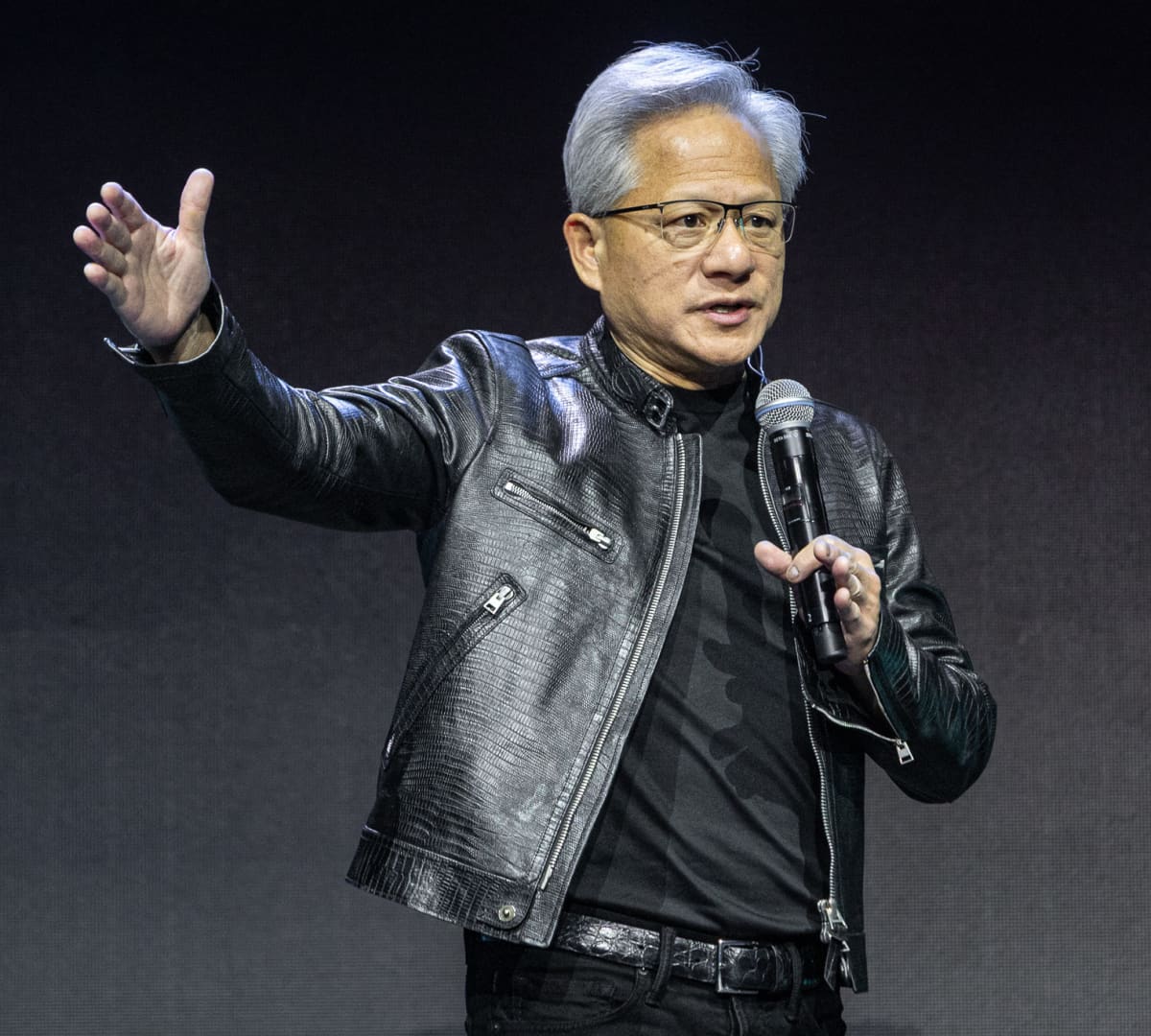
Jensen Huang returned to lead Nvidia after a resignation that lasted eleven days, and his first employee meeting since the reinstatement offered a striking response to a basic governance question. According to people inside the room, who asked not to be named, Huang told staff that the company does not need a succession plan of the kind a normal organization would have, because it has multiple capable leaders running different parts of the business. He also said a succession plan would create unnecessary hierarchy.
That argument deserves skepticism. A succession plan is not an admission of weakness or a bureaucratic habit. It is the mechanism that protects shareholders when a single executive is central to a company's direction, and few companies have ever been as dependent on one chief executive as Nvidia has been on Huang. The report itself shows why the question matters: Huang resigned on Nov. 12 after what the company described as personal behavior inconsistent with its code of conduct, and the board reinstated him on Monday after, according to the report, it received input from senior federal officials about potential national security risk. Investors were left guessing about who would lead the company if Huang were absent again.
Huang's apology deserves to be taken at face value as far as it goes. He reportedly told employees he had let them down, said he hurt all of them, and described the meeting as the second hardest of his life after one with his wife. He also said he is in therapy. Personal remorse, however, does not answer the structural question that the board and shareholders still face. The report notes that Harvey Jones, the new board chair, cited the code of conduct and cultural norms, yet the same report offers no public succession framework that would tell investors who holds authority if the chief executive is unavailable.
The market reaction tells its own story. Shares surged more than 30% the day the reinstatement was announced, then fell on Tuesday, after the company had its worst week in the stock market since 2008. That volatility suggests investors are pricing in both Huang's value and the risk attached to his position. A board that wants to restore confidence should not treat the matter as settled by one reinstatement and one meeting.
The sensible next step is for Nvidia's board to publish a clear succession plan, even if the company insists its leadership bench is deep. Naming interim responsibilities, identifying who would run the company under different scenarios, and explaining how the board would act are ordinary governance steps. Huang may believe hierarchy is a drag on a company like Nvidia, but shareholders are entitled to know who would take charge if the most important person in the building is not there.