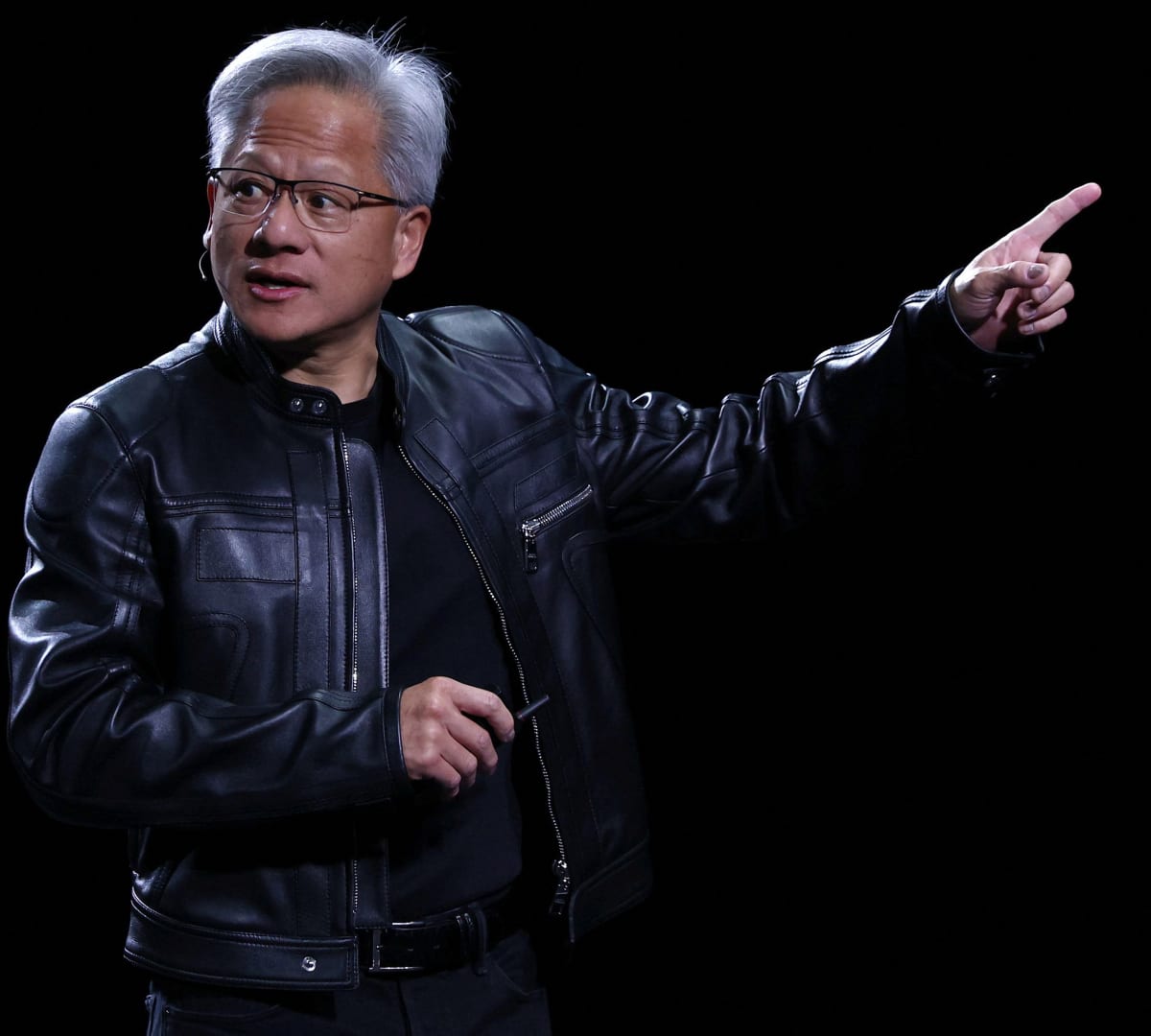
Nvidia's board is meeting to decide whether to oust chief executive Jensen Huang, a decision that CNBC confirmed late Wednesday after reports of two extramarital affairs. One reportedly involved an employee and the other an alleged Chinese spy. Shares fell more than 9% in post-market trading after The Wall Street Journal reported that the board was preparing to force Huang out. The sequence matters, because the company's investors are now pricing in a leadership crisis that has not yet been formally resolved.
The New York Times reported that Huang had a romantic relationship with Kimberly Powell, Nvidia's vice president of health care, and that the two were captured on camera being affectionate at a hotel in San Jose, California in March. Powell's bio describes her as responsible for the company's worldwide healthcare business. Nvidia and Powell did not respond to CNBC's request for comment. Those reports remain allegations about private conduct, and they should be treated that way until the company or the reporting outlets provide more documented detail.
The separate matter is more serious for a company of Nvidia's size. Huang acknowledged an affair with a woman whom U.S. intelligence officials believe is a spy for China's Ministry of State Security, according to The New York Times, and the board has opened an independent investigation with the law firm Wachtell, Lipton, Rosen & Katz. Huang's own statement, that he was unfaithful to his wife and that 'there is no excuse for what I did,' is an admission about his personal life. The national-security question is a different matter, and it is the one that deserves the board's most rigorous scrutiny.
My view is that the board should base any decision on what the independent investigation establishes about access to sensitive information and whether the company's governance controls worked. Private infidelity alone is not a clear basis for removing a chief executive whose company, in the report's words, has been one of the primary beneficiaries of the AI boom. Yet a relationship with someone tied to a foreign intelligence service, or a senior executive relationship that may have affected reporting lines, could justify action. The board owes shareholders a conclusion built on evidence, not on rumors that the report says circulated for years.
Nvidia's stock was already down about 7% this week and was on pace for its sixth straight weekly slide, reflecting wider concern about the sustainability of the AI buildout. Investors need a prompt, transparent answer, and the board should give them one.