The U.S. dollar's sharp move on Friday was a reminder of how quickly one data release can reshape currency markets. The U.S. Dollar Index gained 0.7% in its biggest one-day advance in five months after U.S. employers added 165,000 jobs in October, more than double economists' expectations, while the unemployment rate fell to 4.1% from 4.2%. On Monday the index edged down only 0.1% to 102.181, which suggests traders are pausing rather than reversing course.
The bigger signal is what markets now expect from the Federal Reserve. According to CME FedWatch data cited in the report, traders are pricing in nearly an 80% probability of a 25-basis-point rate increase at the December meeting, up from around 71% a week earlier. That is a striking shift for a single week, and it means Tuesday's U.S. consumer price figures carry real weight. A hotter inflation print would likely harden those expectations further, and Asian central banks and importers would feel the pressure.
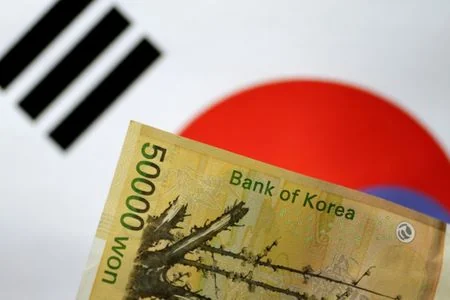
Asian currencies did not simply fold under that pressure. The South Korean won led regional gains with a 0.7% move against the dollar, the Australian dollar rose 0.3%, and the yen edged down 0.2%. Those are modest moves, and they follow sharp losses in the previous session. Investors should read the gains as a partial recovery, not a verdict that the region has escaped the strength of the greenback.
China's inflation data adds a more complicated layer. Producer prices rose 5.7% year on year, accelerating from 5.0% in September and beating expectations for 5.3%, the fastest pace in more than four years. Consumer prices rose 0.7%, slowing from 0.9% and missing forecasts of 0.8%. The report attributes factory-gate inflation to higher global energy costs and demand for AI-related electronics, while weak food prices and subdued domestic demand held consumer prices down.
My view is that policymakers and investors should resist the comfort of a calm Monday. The divergence between Chinese producer and consumer prices shows an economy whose recovery is uneven, and the external price shock that Capital Economics expects to persist in coming months could keep pressure on importers across the region. Capital Economics also expects producer prices to return to deflation and consumer inflation to average just 0.4% in 2027, but that forecast is a projection, not a certainty. Until the U.S. inflation numbers and the Fed's direction are clearer, currency markets in Asia should be treated as fragile.