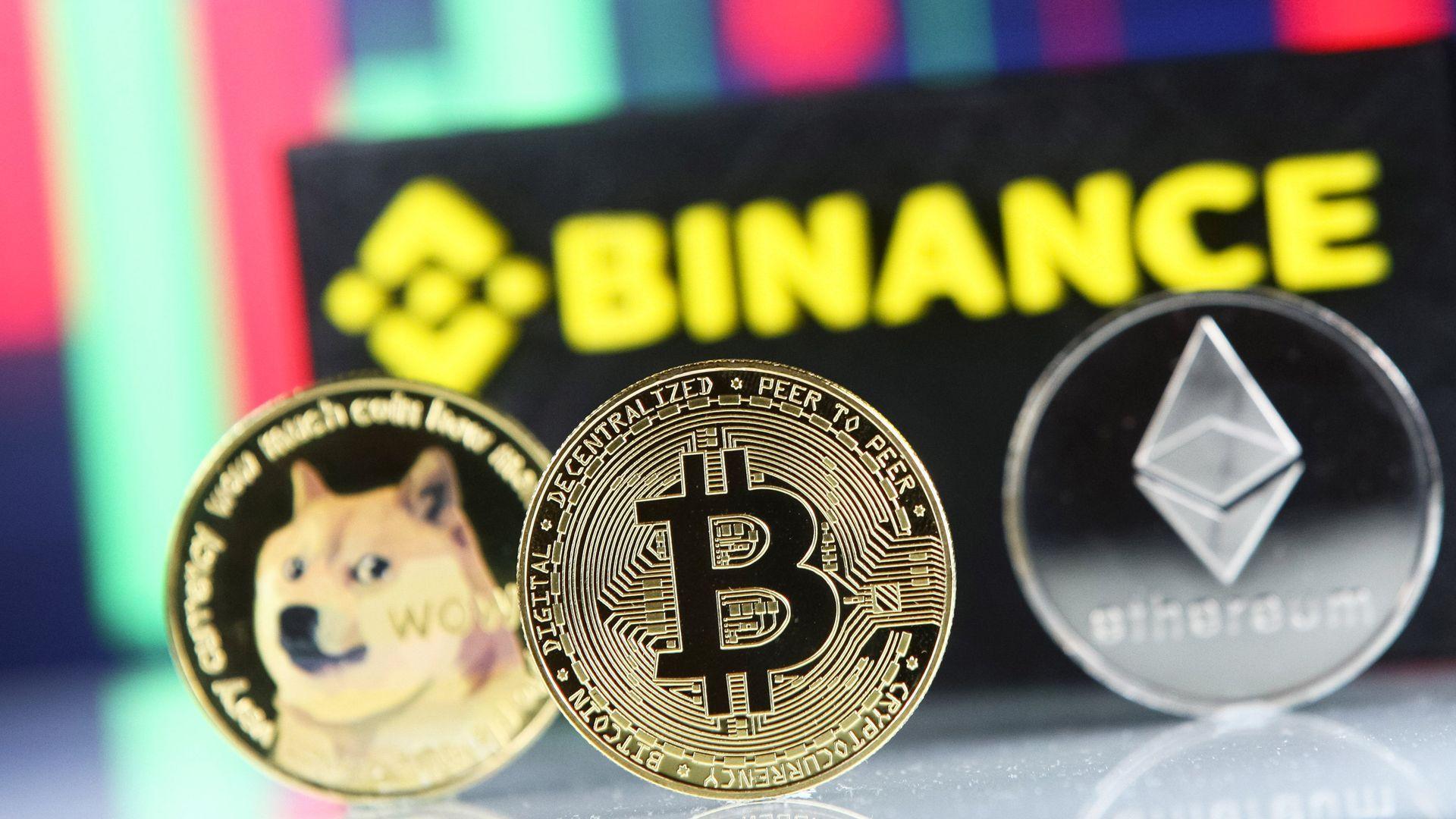
Binance says it has frozen around half of the $6.3bn (£4.7bn) taken in a hack it describes as complex, and that its users' money is safe and every loss will be covered. Those are reassuring words, but the report gives customers little reason to rely on them without scrutiny. The company itself has moved from an initial explanation of a compromised engineer's laptop to a wider breach, and co-CEO Richard Teng has said the attackers used a self-destruct mechanism that destroyed tooling and traces as they went. A firm still uncovering how its own systems were breached is not in a position to offer blanket guarantees.
The most important question is not whether Binance wants to cover losses but whether it can and whether it is legally bound to. The report notes that the company has set aside more than $6.34B in company funds and is actively buying a range of tokens, yet also that $3bn had been secured while many assets remain in the hands of unidentified hackers. Customers should note that experts quoted in the report, including Daniel Tunkel of Edwin Coe, have warned that a public promise is not automatically legally binding and that the answer depends on what customers were promised in their contracts.
The comparison with FTX is hard to ignore. The report says crypto history watchers have pointed out that Sam Bankman-Fried offered similar reassurances before his exchange collapsed in 2022, leaving customers and the industry with huge losses. That comparison is not a prediction that Binance will fail, and the report does not claim it will. But it is a reminder that confidence from an exchange's leadership is a weak substitute for transparent reserves, clear contractual terms and independent oversight.
The attribution to North Korea deserves more caution than the headlines may suggest. Chainalysis has said it has high confidence that a North Korean actor is linked to the hack, and TRM Labs says elements resemble earlier incidents including the Bybit hack. The report also states that North Korea has always denied such claims. Those analyses are serious, and the pattern across five years of crypto losses is troubling, but regulators and courts will need to establish responsibility before the public treats the matter as settled.
What should happen next is clearer than the rhetoric. Regulators in the jurisdictions where Binance operates should demand a full account of the breach, verifiable evidence of reserves covering customer balances, and written terms on what compensation is owed. Users holding significant balances should read those terms now rather than rely on a statement that their money is safe. Reassurance from a company under investigation is where the work begins, not where it ends.