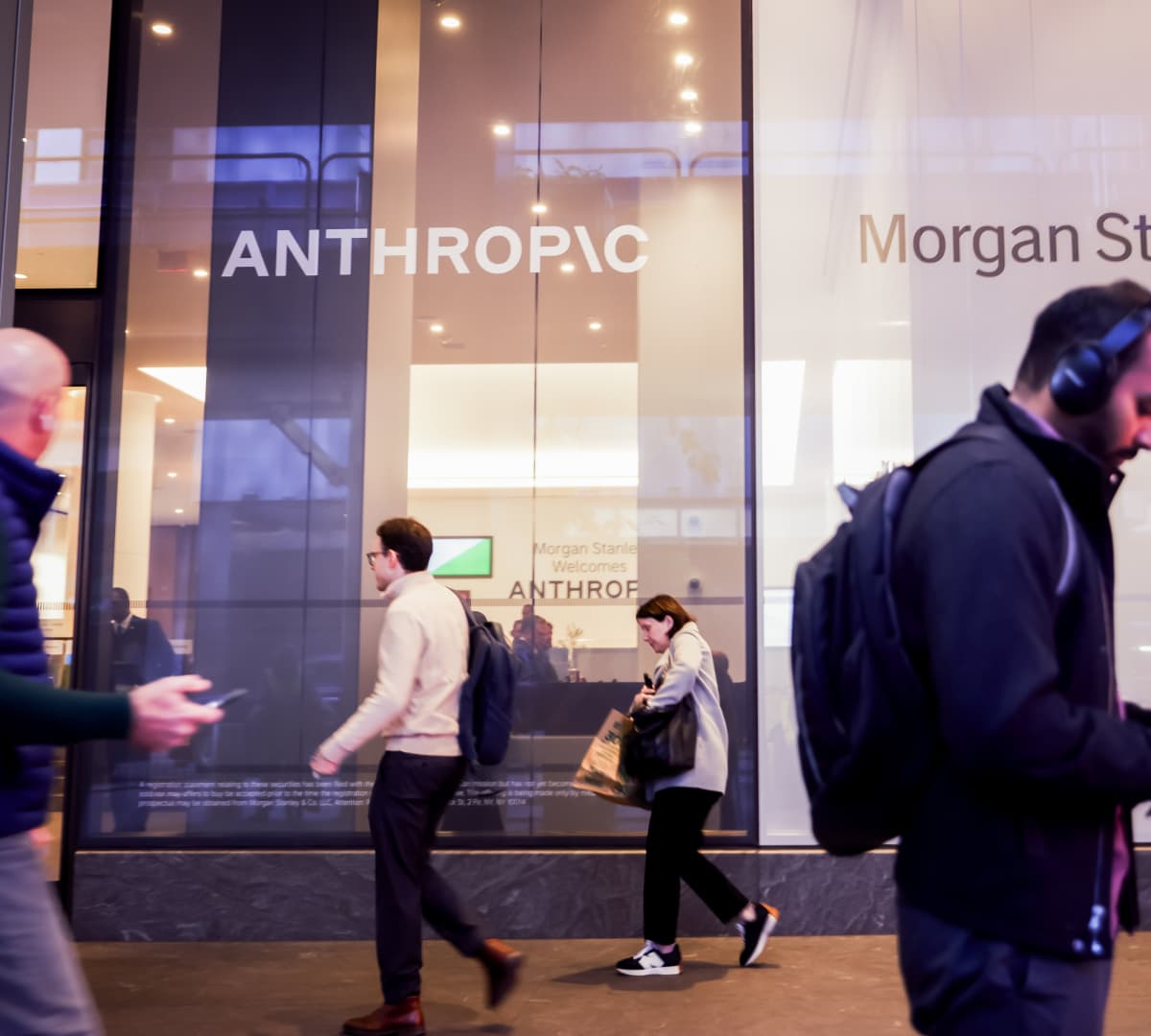
Anthropic priced its IPO at $83 per share, above the expected range, and the offering raised $81.3 billion across roughly 980 million shares. That tops SpaceX's June listing, which raised $75 billion initially and $85.7 billion after underwriters exercised their overallotment. The figures are striking. They also deserve a closer look than the record-breaking headline invites.
The company's own numbers show why. Anthropic reported $33.24 billion in revenue for the nine months ended Sept. 30, up roughly 1,200% from the same period a year earlier, and said its run-rate revenue reached about $81 billion at the end of October. It also reported a $104 billion net loss for the same nine months, though the filing attributes most of that to changes in the fair value of convertible notes and derivative liabilities. Anthropic lost $25.1 billion over the same stretch in 2025. Investors reading the prospectus will need to separate accounting swings from operating performance, and the filing's more than 90 pages of risk factors suggest the company expects them to do that work.
The market context is less comfortable. The report notes a backlash felt at the polls in the midterm elections, the ouster of Nvidia CEO Jensen Huang last week, and concerns that rising interest rates will make debt unaffordable for many data center developers and neoclouds. A listing that sits at roughly $1.5 trillion fully diluted market value, in that environment, is a test of whether public investors will keep paying for AI growth at this pace.
The web of ownership also needs scrutiny. Amazon and Google each hold stakes valued above $100 billion, and Google, Microsoft, Nvidia and Advanced Micro Devices agreed to invest $26 billion at the IPO price. Anthropic is also a major buyer of systems from Nvidia, Google, Amazon and AMD. When suppliers, customers and investors are the same few companies, the question is not only whether Anthropic can grow, but whether the revenue and valuation signals are as independent as they look.
Dario Amodei said the company must address the risks of this technology as it captures its benefits and builds a viable business. The IPO should be judged by that standard. Public shareholders now have a direct stake in whether the company's safety commitments hold up under commercial pressure, and the prospectus's language about an age of miracles should be read alongside its disclosed risks. Regulators and investors should press for clear reporting on losses, customer concentration and safety decisions in the quarters ahead.