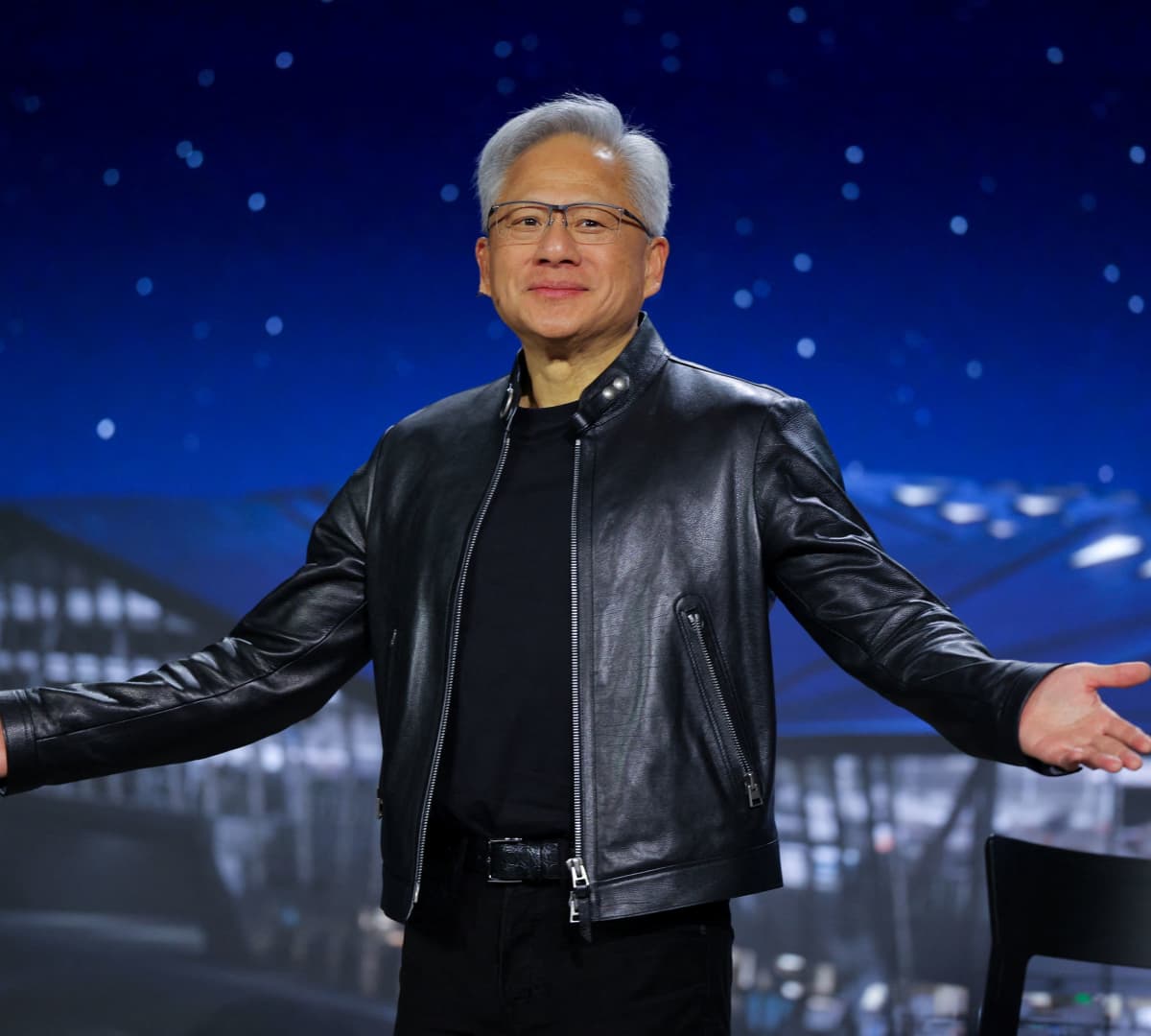
Nvidia shares gapped higher at the open by more than 30% on Monday, on pace for their biggest one-day gain in 23 years. The trigger was news, reported just before the bell, that former CEO Jensen Huang is going to be reinstated. Huang had resigned on Nov. 12, when Nvidia closed at $173.73 the day before. The stock had fallen to a recent low around $125 during the selloff, so the jump is a sharp reversal. Investors should be careful about reading it as a verdict that the problems are over.
The report makes clear that nothing about the underlying risks has been resolved. Dan Niles, founder of Niles Investment Management, said, "All the same issues that were here before Jensen resigned are still here," and said he is trimming a position that was his largest. Mike Khouw of Tidal Financial Group said Huang was not the only problem and that the AI trade has other vulnerabilities. A reinstated chief executive does not answer questions about export controls or alleged Chinese espionage involving the company.
Those questions are now in the hands of Congress, and they are not going away. Sen. Elizabeth Warren said the company and its board "still owe Congress answers about the company's compliance with U.S. export controls," and asked the Trump administration to explain what input supported Huang's reinstatement. Rep. Richard Neal described the matter as "an export control issue" and stressed the importance of congressional oversight. The outcome of those investigations will matter for a company that does so much international business. Investors who buy now are betting that the answers will be benign, and the report offers no evidence yet that they will be.
The data center question adds a second risk. The report notes that Democrats taking control of Congress and key governor posts in January could bring calls for data center moratoriums, and Niles said he is less convinced about data-center-centric names from here. Wall Street analysts raised targets, with most above $200 and one as high as $270, but many traders expect the rebound to stall before reaching those levels. Michael Burry said the move could be "outsized" on thin holiday volume and that he would not short the stock until it approached $200.
My conclusion is that a 30% gain should prompt caution, not conviction. Investors who want exposure to the AI trade should wait for the investigations to produce clearer answers, size positions so a renewed selloff is survivable, and watch whether lawmakers move from questions to action. Reinstating a founder can calm a market for a day. It cannot by itself settle the export-control and national security issues that drove the decline.