An early breakdown of the stratospheric polar vortex is raising concern among energy traders as European gas stocks sit at their lowest level in more than a decade.
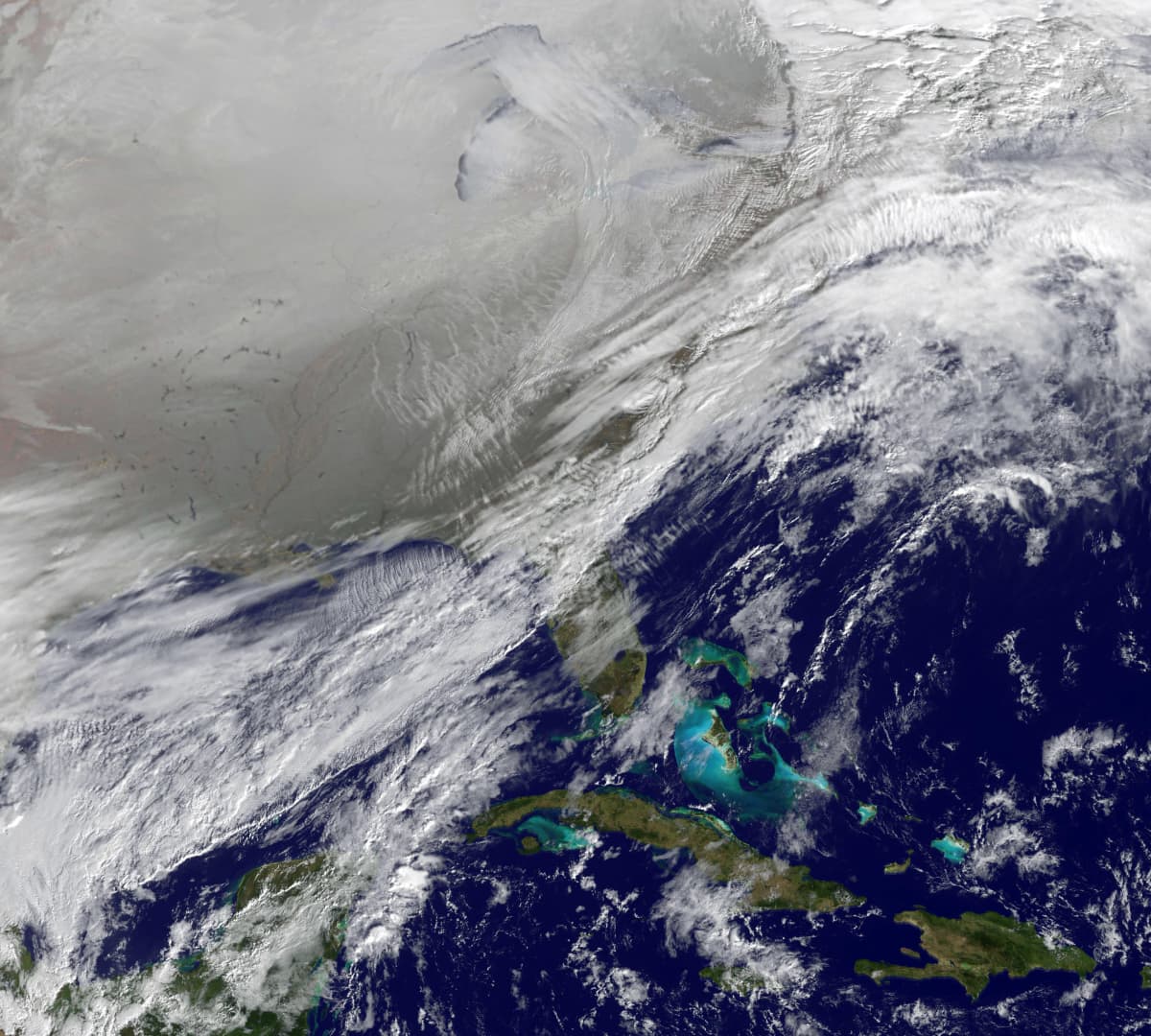
Meteorologists are observing a record early breakdown of the polar vortex, a large circulation of strong winds that normally keeps extremely cold air over the North Pole. Simon Lee, a lecturer in atmospheric science at the University of St Andrews, said meteorologists had expected such a breakdown in February, not November. He called the early disruption "extremely rare" and said it could influence winter weather in northwest Europe and the eastern U.S., though likely not to the extent of the January 2014 cold event that partially froze parts of Niagara Falls.
The breakdown is coinciding with an unusually powerful El Niño, which is commonly associated with milder winters. Lewis of Wood Mackenzie said the combination has no historical precedent, making its effect on global gas demand hard to predict.
Florence Schmit, senior energy strategist at Rabobank, told CNBC that Europe's gas storage has seen "very, very strong withdrawals" over the last two weeks, which she called unusual for this time of year. She warned that continued withdrawals could push energy prices higher, with weather as the driver.
David Lewis said the drawdown in stocks in the first half of November was among the highest on record. He said inventories started the winter at their lowest level on record, so any further drop in temperatures or wind speeds could have an outsized effect on European balances and prices.
European gas prices reached 103.9 euros per megawatt hour in late October, the highest since the 2022 energy crisis. Dutch TTF futures for December delivery were around 87.28 euros on Friday afternoon.
The International Energy Agency warned earlier this month that low European storage and limited storage in several Asian and South American LNG-importing countries could intensify competition for cargoes and push prices up during high-demand periods.