Gas prices stood at a national average of $4.20 a gallon on Friday, nearly 40% above the same period last year, according to the report. Diesel has risen about 70% over the past year, to $6.32 a gallon.
GasBuddy head of petroleum analysis Patrick De Haan said gas and diesel prices are forecast to be the highest ever on an election day. "Prices have never been this high this late in the year," De Haan said.
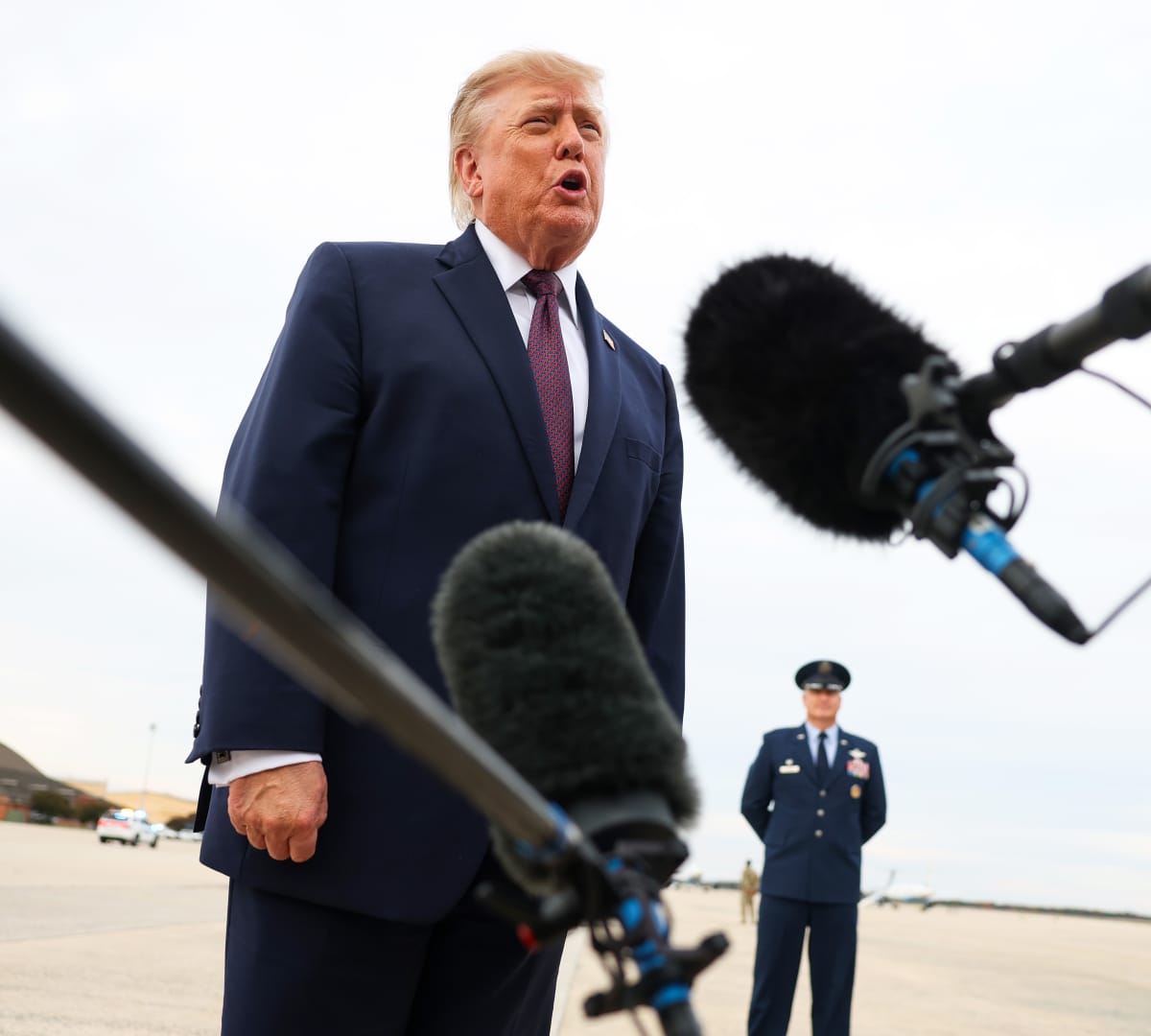
During his September 2024 campaign speech to the New York Economic Club, President Donald Trump said his plan would cut energy prices in half or more within 12 months of taking office. He also said he would bring gasoline below $2 a gallon.
The report says fuel prices have spiked since Trump ordered an attack on Iran, carried out jointly with Israel, on Feb. 28. Iran retaliated with strikes on tankers transiting the Strait of Hormuz, severely depressing oil flows through the route. The report also cites Houthi rebel attacks on Saudi Arabian refineries and Ukrainian strikes on Russian refineries.
White House spokeswoman Taylor Rogers said in a statement that gas prices will drop drastically once the conflict ends. The White House also said gas prices, adjusted for inflation, have been higher around previous election days.
ExxonMobil CEO Darren Woods told CNBC that diesel is "the key crunch point here because it is so critical to economic growth." The company posted large profits on the disruptions, according to the report.
Airlines have raised fares to cover jet fuel costs, which the report describes as their biggest expense other than labor.
Trump issued an executive order allowing truckers to use tax-exempt, off-road diesel on U.S. highways. He also announced an $8 billion relief program for farmers hit by high fuel prices. Trump later struck a deal with Russian President Vladimir Putin for Moscow to export about 6 million barrels of diesel into the global market through November. Ukrainian President Volodymyr Zelenskyy and some Republican senators criticized the deal. Energy analysts quoted in the report said the volumes are small relative to global demand and will not have a meaningful impact on prices.
Brent crude is up more than 13% in October, and West Texas Intermediate is up 15%. De Haan said that if escalations occur, "that could obviously put upward pressure on prices just ahead of Thanksgiving."